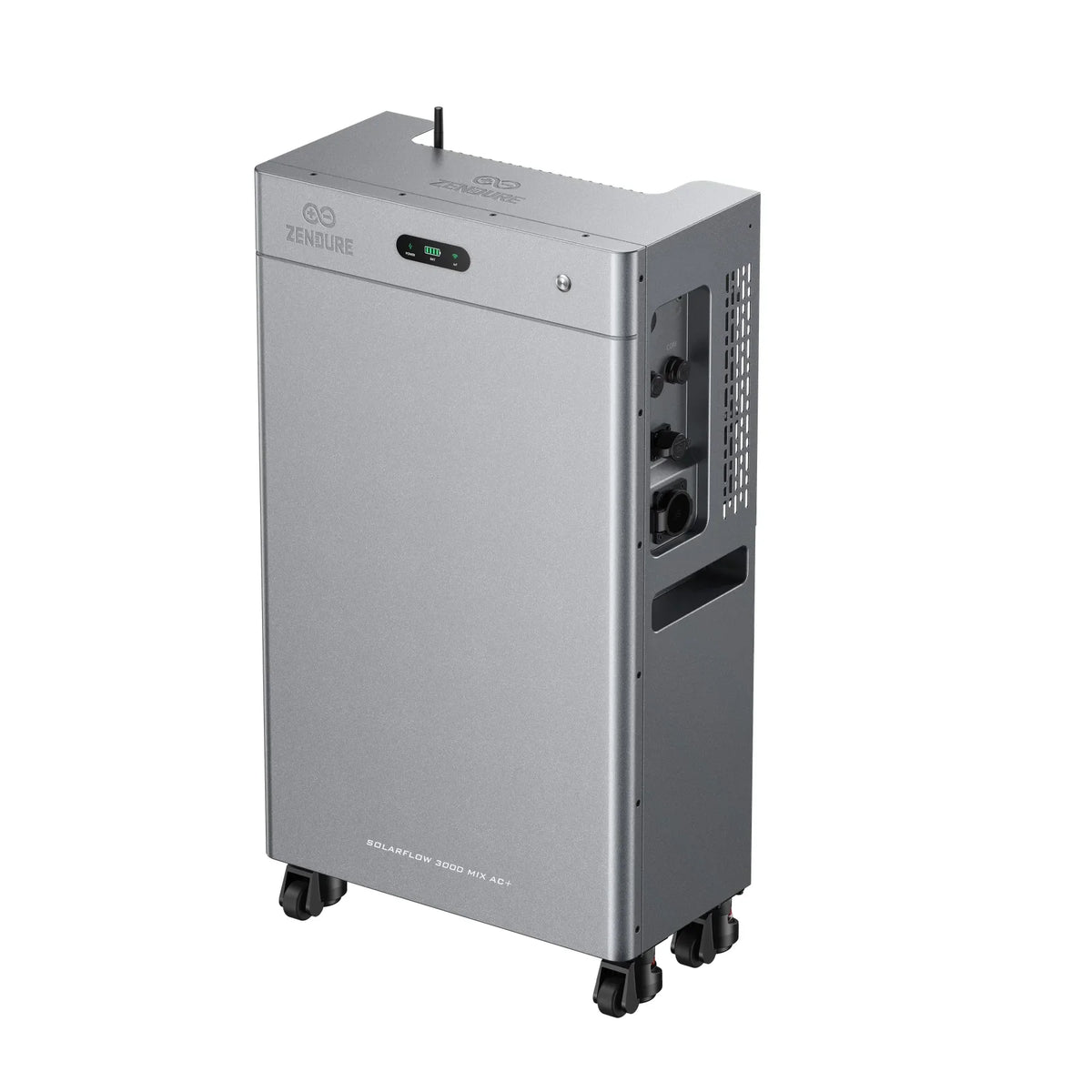
What is a plug-in home battery?
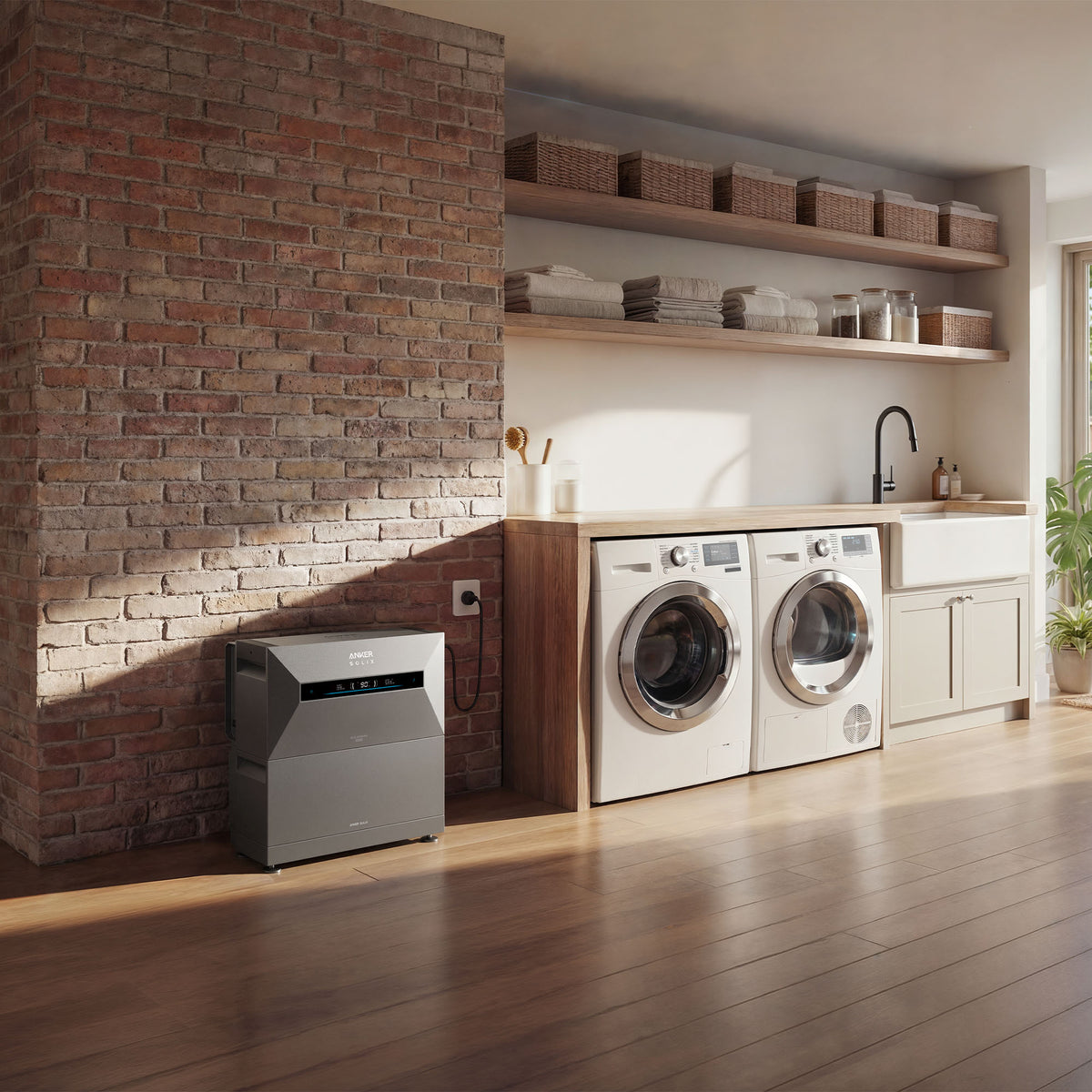
A plug-in home battery is a home battery that you connect yourself to a regular power outlet, without an installer and without any changes to your meter cupboard. It's the variant within our home batteries, intended for anyone who wants to start storing their own power without a big project.
You may also know it as a plug-in battery, plug and play home battery, or home battery with a plug. During the day, the battery stores your surplus solar power and delivers that energy to your home in the evening. As a result, you feed less back into the grid, and that matters even more now that the salderingsregeling (net metering scheme) ends on 1 January 2027.
What types of plug-in batteries are there?
There are two types of plug-in batteries: AC-coupled models for existing solar panels and hybrid models with their own connection for solar panels. The difference lies in the way the battery charges. Which type suits you depends on the panels you already have or still want to install.
AC-coupled plug-in home battery
An AC-coupled plug-in home battery charges via the power outlet with the electricity generated by your existing inverter. Your solar panels and inverter are left untouched; the battery only captures the surplus that would otherwise go to the grid. Through that same outlet, this type also charges with power from the grid.
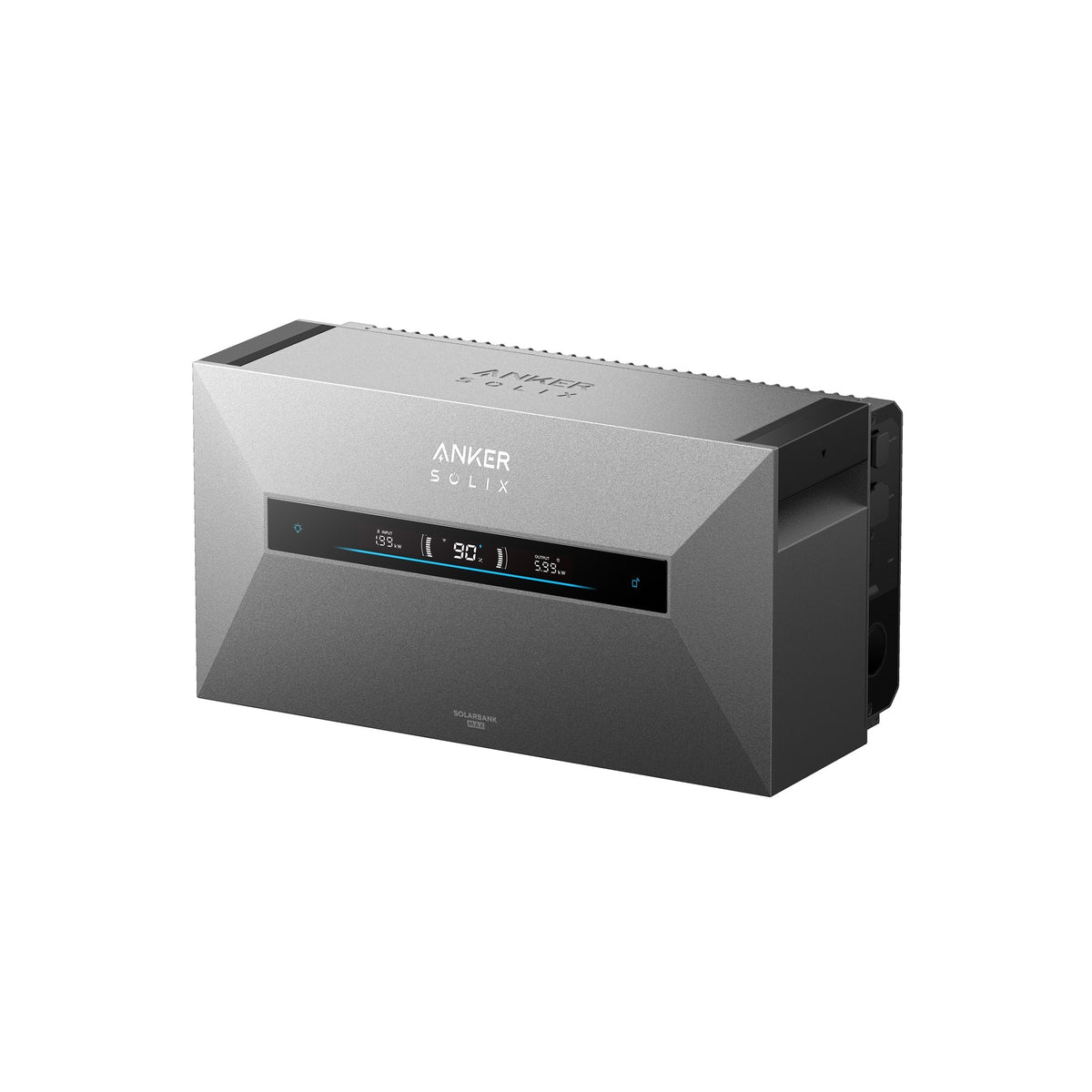
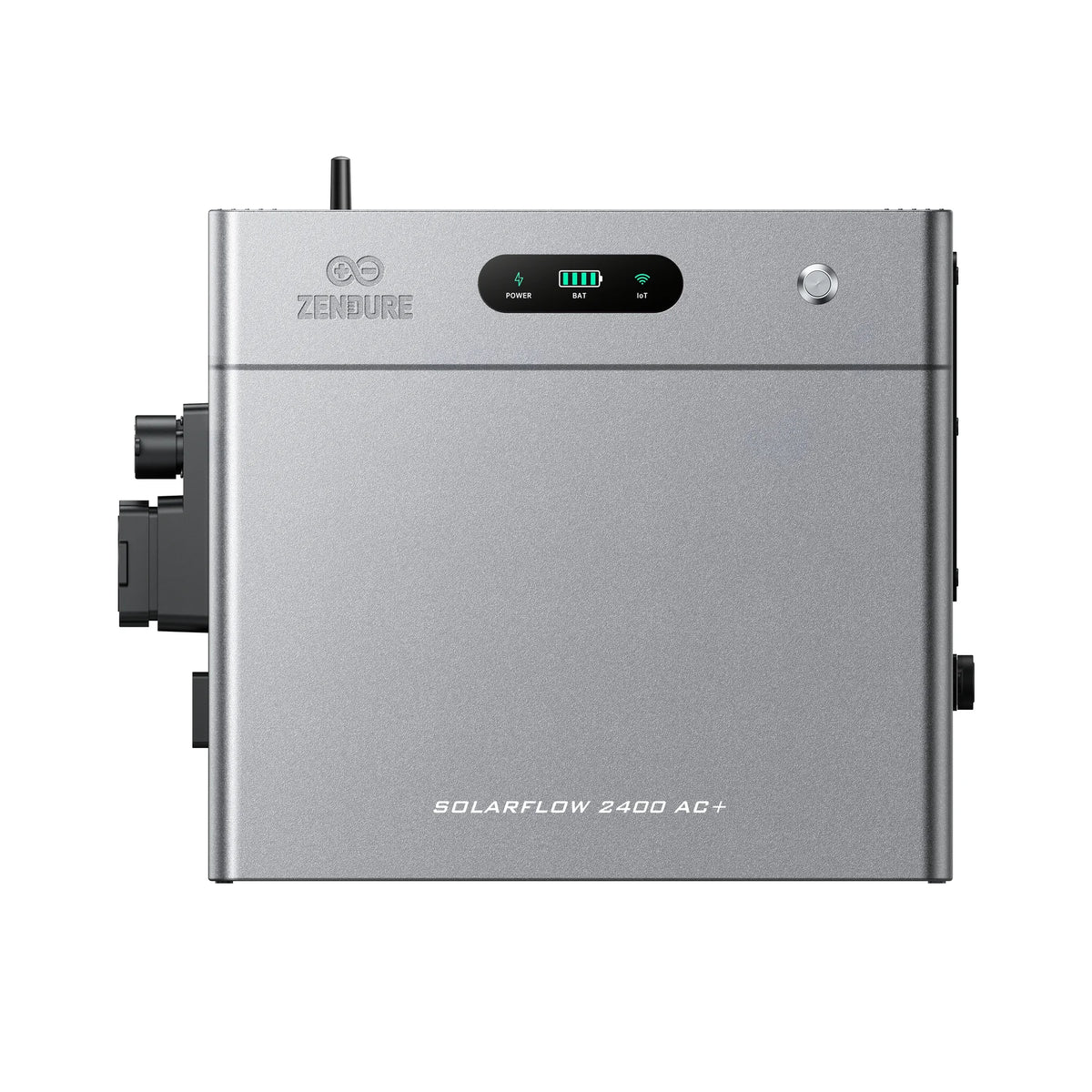
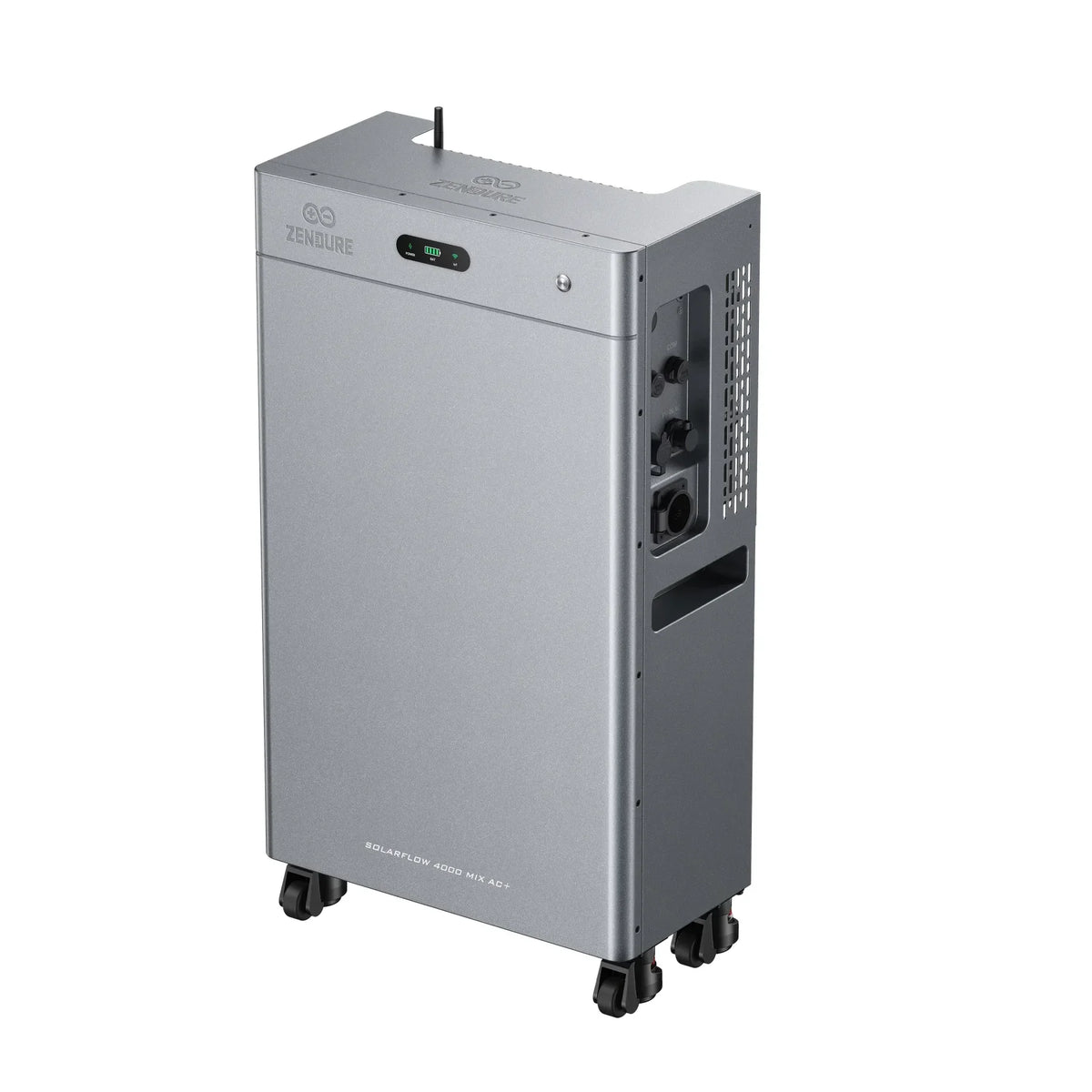
In our range, these include the Zendure SolarFlow 1600 AC+, 2400 AC, 2400 AC+, 3000 Mix AC+ and 4000 Mix AC+, and the Anker SOLIX Solarbank Max AC. The Solarbank Max AC starts with 7 kWh of storage and can be expanded with extra batteries up to 42 kWh.
Hybrid plug and play home battery with solar panel input
A hybrid plug and play home battery with solar panel input has its own MPPT inputs, to which you connect your solar panels directly. MPPT is the controller that gets the maximum power out of your panels. As a result, the solar power goes straight into the battery, with less conversion loss, and most models also charge from the grid via the power outlet.
This type suits a balcony set or a new installation without an existing inverter. At TechPunt, you can choose from the Zendure SolarFlow 800 Plus, 800 Pro, 2400 Pro and 4000 Mix Pro and the Anker SOLIX Solarbank Max. The SolarFlow 800 Plus has 1.92 kWh of storage and grows with extra batteries up to 11.52 kWh.
How does a plug-in home battery work?
A plug-in home battery works via a meter that continuously measures your consumption and feed-in and controls the battery accordingly. When you feed solar power back, the battery charges. When you consume more than you generate, the battery supplies power to your home via the outlet.
The measurement runs through a P1 meter on the P1 port of your smart meter or through CT clamps in the meter cupboard. You'll find the Zendure Smart Meter P1 and the Anker SOLIX P1 Meter among our home battery accessories. The power from the battery goes onto your home grid and is used by any device that's drawing power at that moment, not just by devices on the same circuit.
In the Zendure or Anker SOLIX app you can see how much power you store and use. Both brands control charging and discharging automatically, based on your usage and, with a dynamic contract, also based on the electricity price.
How much power does a plug-in home battery deliver?
A plug-in home battery delivers up to 800 watts to your home when it's plugged into a regular socket on a shared circuit. Manufacturers cap the power at that level to prevent overheating of wiring and sockets. The Zendure and Anker SOLIX models in our range also work via a regular socket at up to 800 W.
That 800 W is enough for ordinary evening usage, but heavy appliances demand more. An induction hob easily draws 1,400 to 2,200 watts while cooking. The part above 800 W then simply comes from the grid.
When is a socket not enough for your home battery?
A socket isn't enough for your home battery if you want to discharge more than 800 W. The battery then needs its own circuit in the meter cupboard, which you have an installer set up. For the Solarbank Max AC in the Netherlands, Anker indicates that more than 800 W is only possible on a dedicated circuit.
A large part of our range can be scaled up this way later, without buying a new battery. On a dedicated circuit, the Zendure SolarFlow 3000 Mix AC+ delivers 3,000 W, the 4000 Mix AC+ and 4000 Mix Pro deliver 4,000 W, and the Anker SOLIX Solarbank Max AC delivers 3,500 W. For the Anker models, you'll also find the Wieland connector and the fixed-wiring connection with us.
Is a plug-in home battery right for you?
A plug-in home battery is right for you if you want to start storing your own power without any renovation and mainly want to cover your evening usage. Think of renters, residents of an apartment with balcony panels, and households with solar panels that feed a lot back to the grid. If you want to run a heat pump or charging station largely on battery power, you'll need more power than a socket delivers.
What are the benefits of a plug-and-play home battery?
The benefits of a plug-and-play home battery lie in the convenience and the low threshold to get started. These are the main ones:
- Connect it yourself: you place the battery, plug it into the outlet and connect it via the app.
- No meter cabinet work: as long as you stay within 800 W, you don't need an installer.
- Movable: if you move house, you simply take the battery with you.
- Expandable: with extra batteries you can increase the storage later, up to 11.52 kWh with the Zendure SolarFlow 800 Plus.
That simplicity makes a plug-in home battery an easy first step towards more of your own solar power, without having to buy a large system straight away.
What are the drawbacks of a plug-in home battery?
The drawbacks of a plug-in home battery mainly come from the limited power of 800 W on a wall outlet. As a result, heavy appliances run partly on grid power, and in winter you generate less solar power to store.
On top of that, a plug-in home battery switches itself off during a power outage, so no electricity flows onto the downed grid. If you still want to keep power during an outage, take a look at a home battery with backup power. The Zendure SolarFlow 800 Pro and the Anker SOLIX Solarbank Max have a separate outlet for backup power for this.
Which plug-in home battery suits your home?
Which plug-in home battery suits your home depends on your solar panels, your evening consumption and your plans for the years ahead. When comparing, keep an eye on these points:
- Solar panels: if you already have panels with an inverter, an AC-coupled model is a good fit; if you connect the panels directly, choose a hybrid model with a solar panel input.
- Capacity: match the storage in kWh to the consumption you have after sunset.
- Power: if you want to go above 800 W later, choose a model that can scale up to its own circuit.
- Metering: check whether you need a P1 meter or CT clamps and whether those come with the battery.
- Control: a smart plug-in home battery matches charging and discharging to your consumption and, with a dynamic contract, to the electricity price.
Torn between two models? Our customer service is happy to help you by phone, email or WhatsApp with the battery that fits your setup.
Buying a plug-in home battery?
You buy a plug-in home battery at TechPunt with a 2-year warranty on every product and a 14-day right of return. We ship everything from our own warehouse in Barneveld, without dropshipping, and above 75 euros shipping within the Netherlands and Belgium is free.
See the same battery cheaper at a web shop in the Netherlands or Belgium with the same delivery time and warranty? Email us and we'll match the price thanks to our lowest price guarantee. Compare the plug-in home batteries above on capacity, power and connection, and choose the model that suits your solar panels and consumption.